
When Work Becomes Heritage: The Case of the Wieliczka Salt Mines
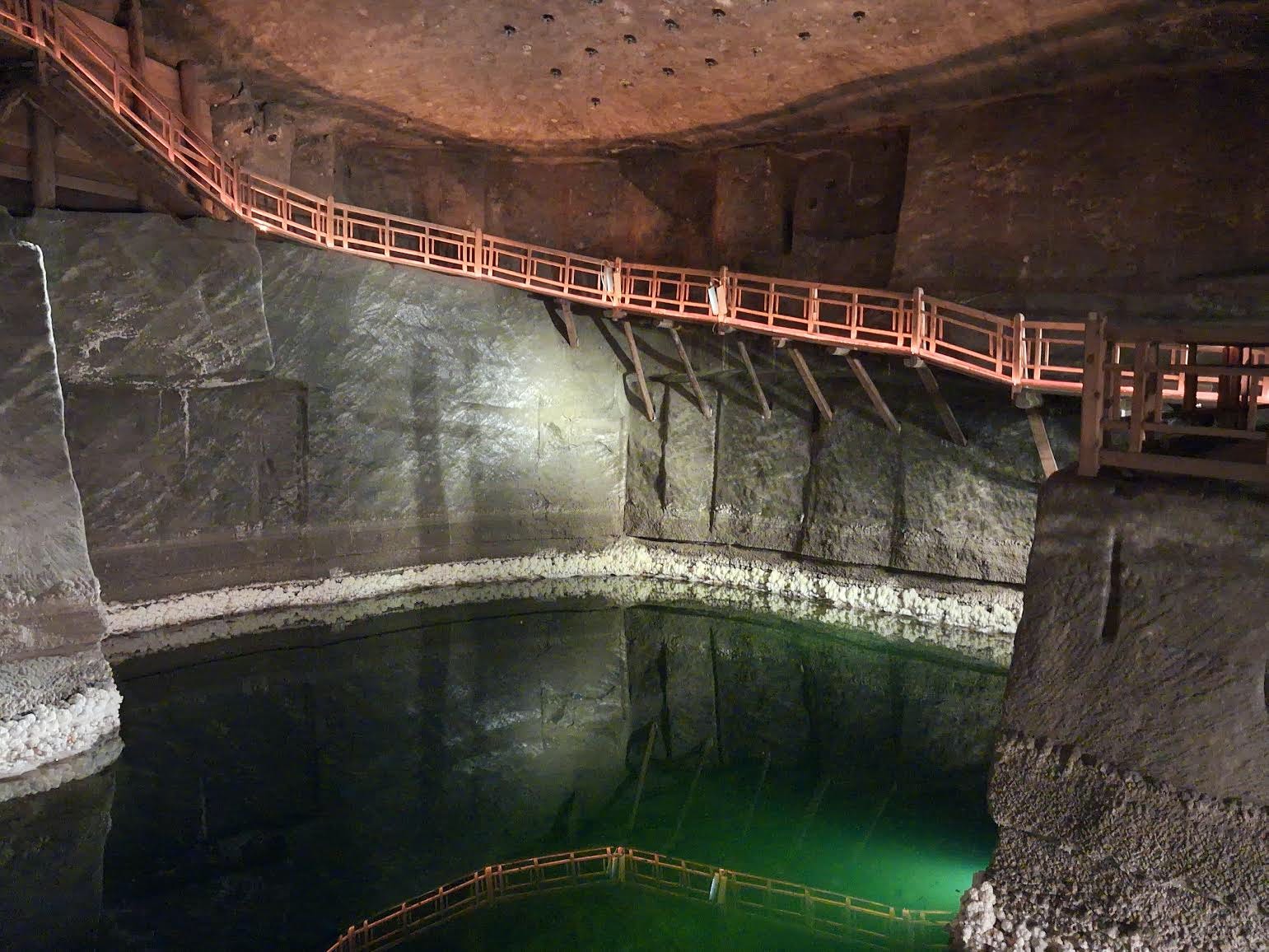
Beneath Poland lies a unique underground world. Underground lakes, salt-carved cathedrals, and centuries of history make Wieliczka one of Europe's most fascinating mines.

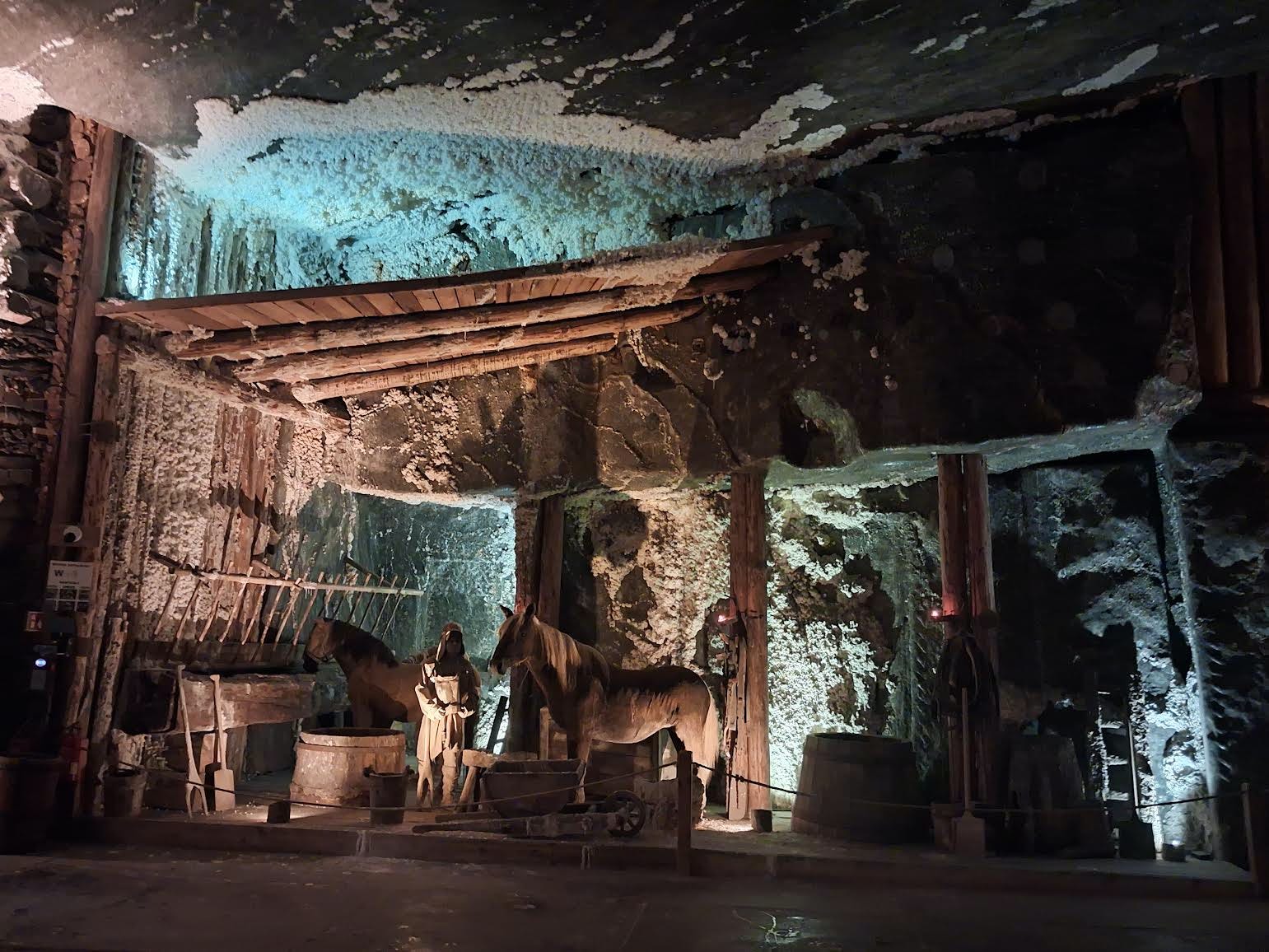
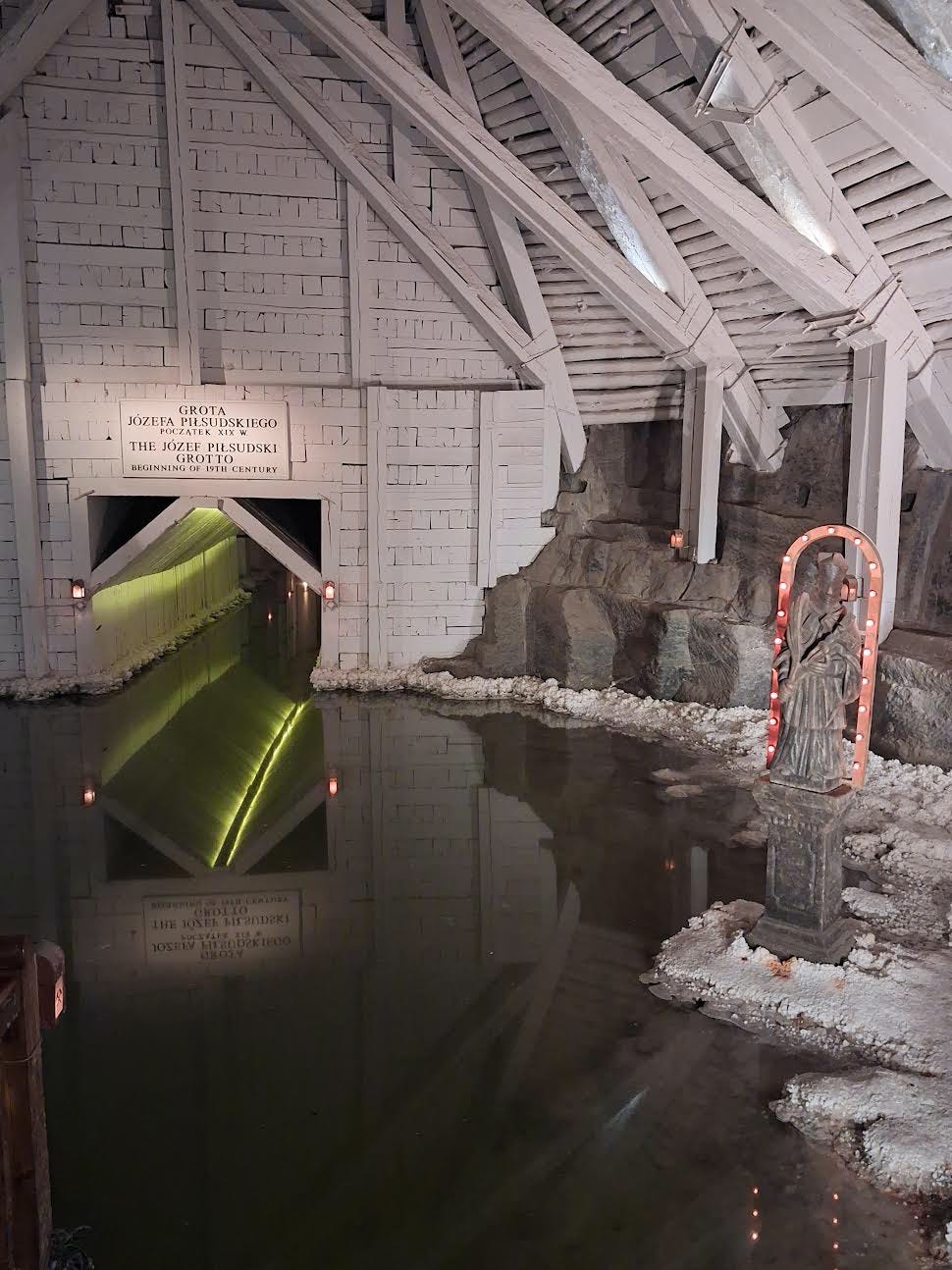
I had the incredible opportunity to travel to Poland and see this remarkable mine with my own eyes. I was truly fascinated by its history, scale, and the extraordinary world hidden beneath the surface. All photographs featured in this article were taken by me.
Located near Kraków in southern Poland, the Wieliczka Salt Mine is far more than an ordinary mine. Hidden beneath the surface lies a remarkable underground world of chapels, lakes, sculptures, and centuries of history.
The history of the Wieliczka Salt Mine dates back to the 13th century, when miners first began excavating the vast underground salt deposits hidden beneath the region. Over the centuries, the mine became one of Poland’s most valuable economic assets and evolved into a remarkable underground world of tunnels, chambers, chapels, and sculptures. Today, recognised as a UNESCO World Heritage Site and stands as one of the country’s most extraordinary landmarks. The Wieliczka Salt Mine added to the list in 1978, it was one of the very first places in the world to receive this prestigious recognition.
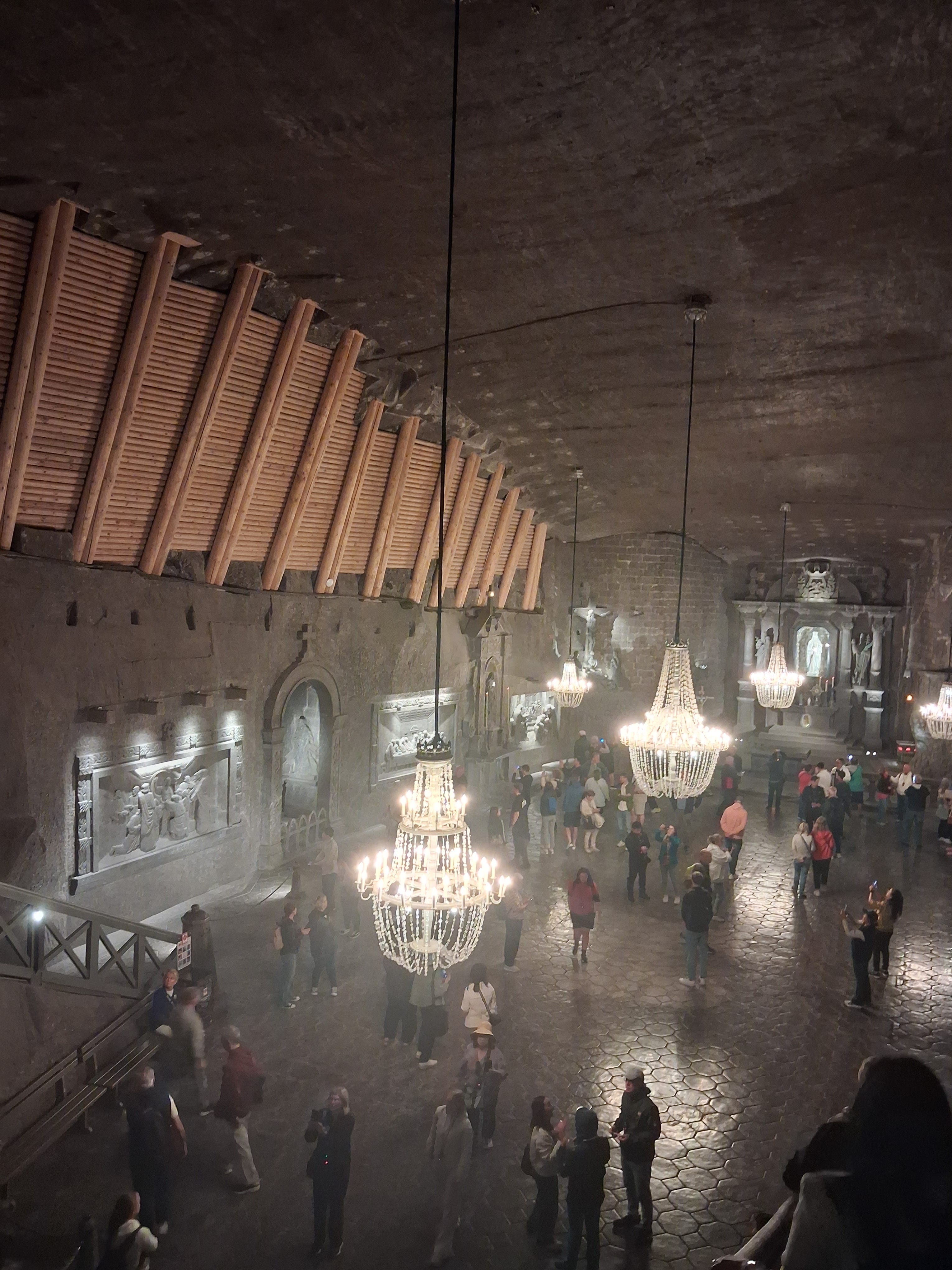
It is one of the oldest preserved mining sites in the world, having operated for around 700 years. Only a small section of the mine’s vast underground galleries is open to visitors.
The guide who accompanied us was excellent, explaining the mine’s history in great detail, sharing fascinating facts, and encouraging visitors to learn more about and help preserve the site’s heritage.
After doing some research, I found it particularly interesting that the mine’s underground microclimate is considered beneficial for certain respiratory conditions.
The clean air, stable temperature, and low levels of pollutants have led to the development of respiratory rehabilitation programs within the mine, making it a place where history, tourism, and health come together.
Welcome to Mariana | Culture & Media
A brief introduction before continuing, as this is the first article of the newsletter. My name is Mariana Pombo, and I am a Multimedia Designer and a Journalism and Communication student.
The choice of the Wieliczka Salt Mine for this first publication is not accidental. For me, few places illustrate so clearly how human labour can transcend its original economic function and become part of the collective memory of a community and of a continent.
It is precisely for this reason that I chose the Wieliczka Mines as the starting point for this first piece. Themes such as heritage, culture, and European identity have accompanied both my academic and professional path, and they offer a meaningful starting point for a broader reflection on memory, culture, and heritage.
For comments, suggestions, or collaboration proposals, you can contact me at: mariana.designer.jornalist@gmail.com
I am also available for research projects, consultancy, publications, and cultural communication initiatives.
Translated for Portuguese (Portugal):
Uma breve apresentação, antes de continuar, pois este é o primeiro artigo da newsletter. O meu nome é Mariana Pombo e sou Designer Multimedia e estudante de Jornalismo e Comunicação. Devo confessar que a escolha das Minas de Wieliczka para esta primeira publicação não é casual. Para mim poucos lugares ilustram tão bem a forma como o trabalho humano pode ultrapassar a sua função económica original e tornar-se parte da memória coletiva de uma comunidade e de um continente.
Escolhi precisamente por isso dedicar este primeiro texto as Minas de Wieliczka pois temas como o património, cultura e construção europeia, têm acompanhado o meu percurso académico e profissional, e são um excelente ponto de partida para uma reflexão sobre estes temas de cultura, memória e património.
Para comentários, sugestões ou propostas de colaboração, pode contactar-me através de — mariana.designer.jornalist@gmail.com —
Estou igualmente disponível para projetos de investigação, consultoria, publicações e iniciativas de divulgação cultural.
The Wieliczka Salt Mine is a powerful reminder that work, craftsmanship, and industry can transcend their original purpose and become part of humanity's shared heritage.
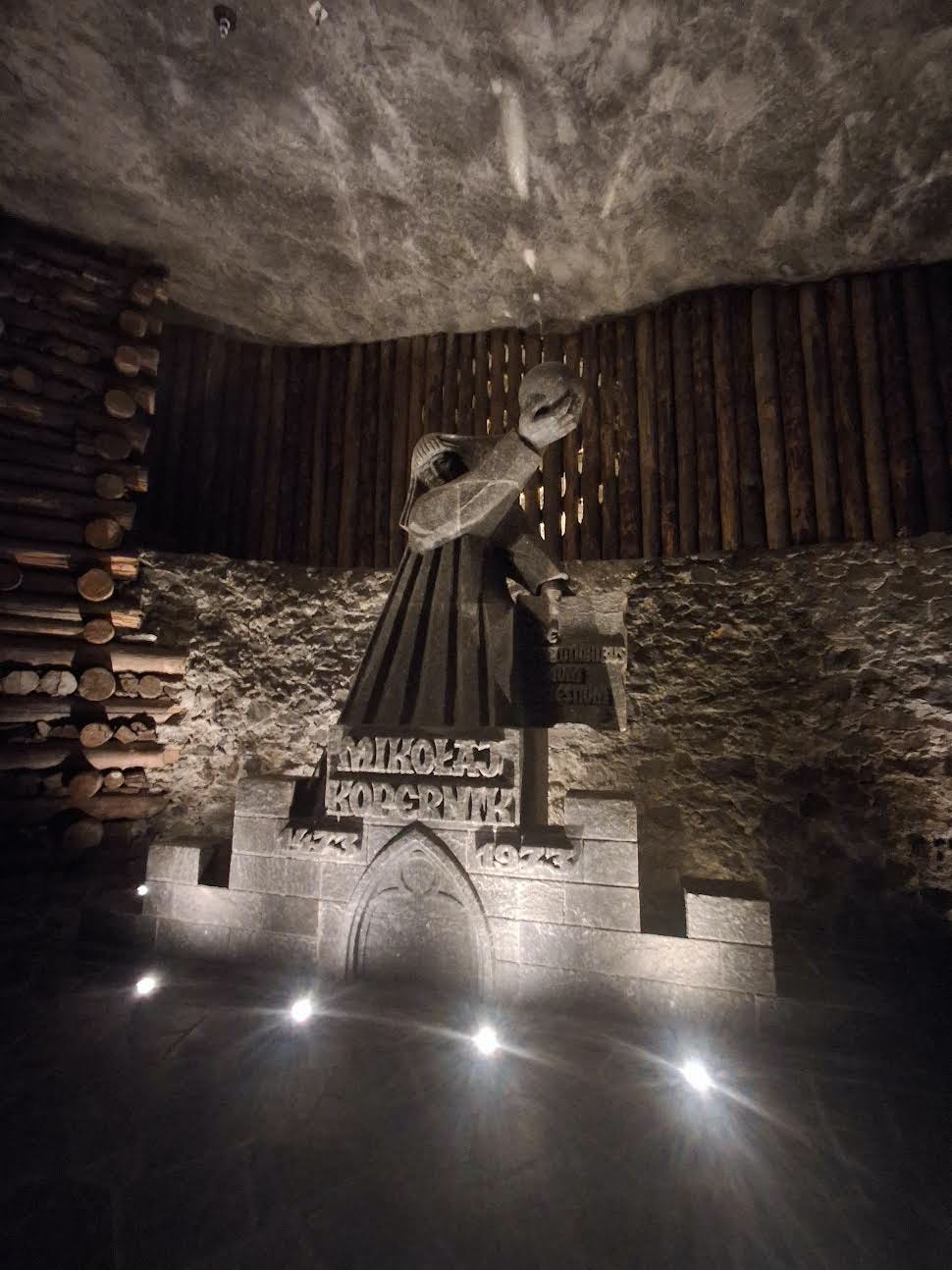
This statue of Nicolaus Copernicus was carved from salt.
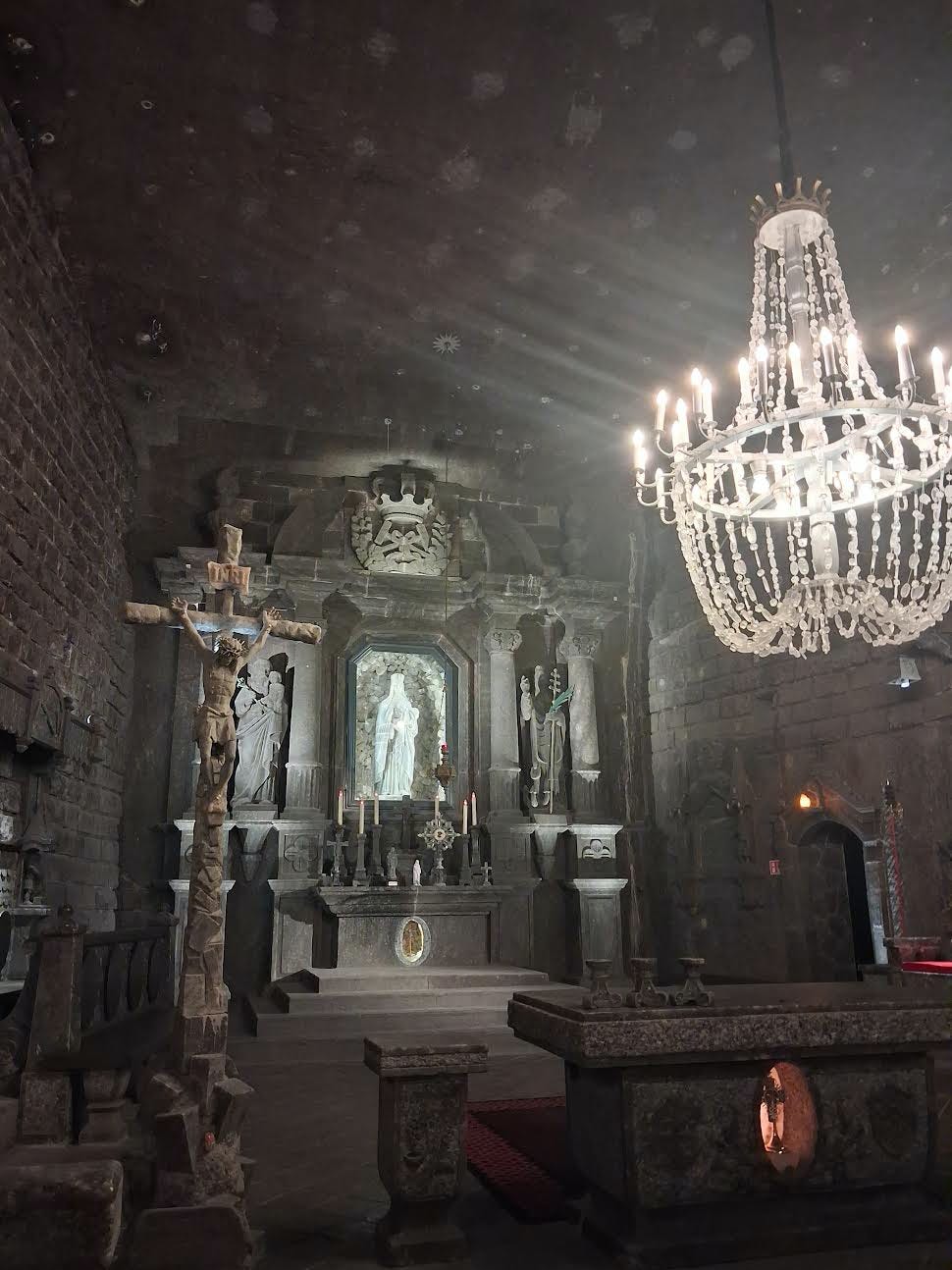
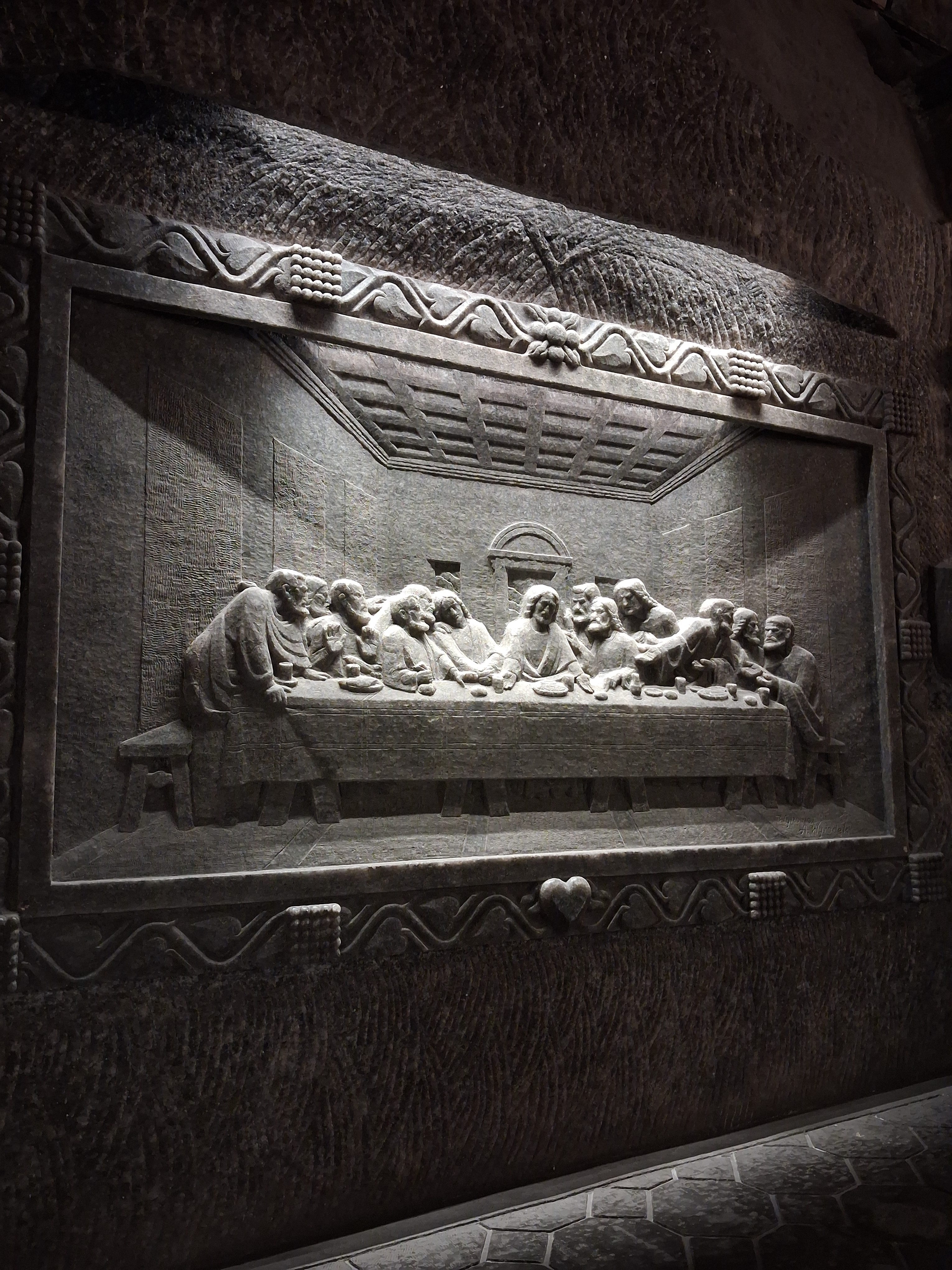
The most famous attraction is the Chapel of St. Kinga, an underground church where the walls, altar, statues, and even the chandeliers were carved from salt.
The way this mine has been preserved over the centuries is nothing short of remarkable. It is one of the places I would most recommend visiting, both for its fascinating industrial heritage and for the extraordinary beauty of what generations of miners and craftsmen created beneath the earth.
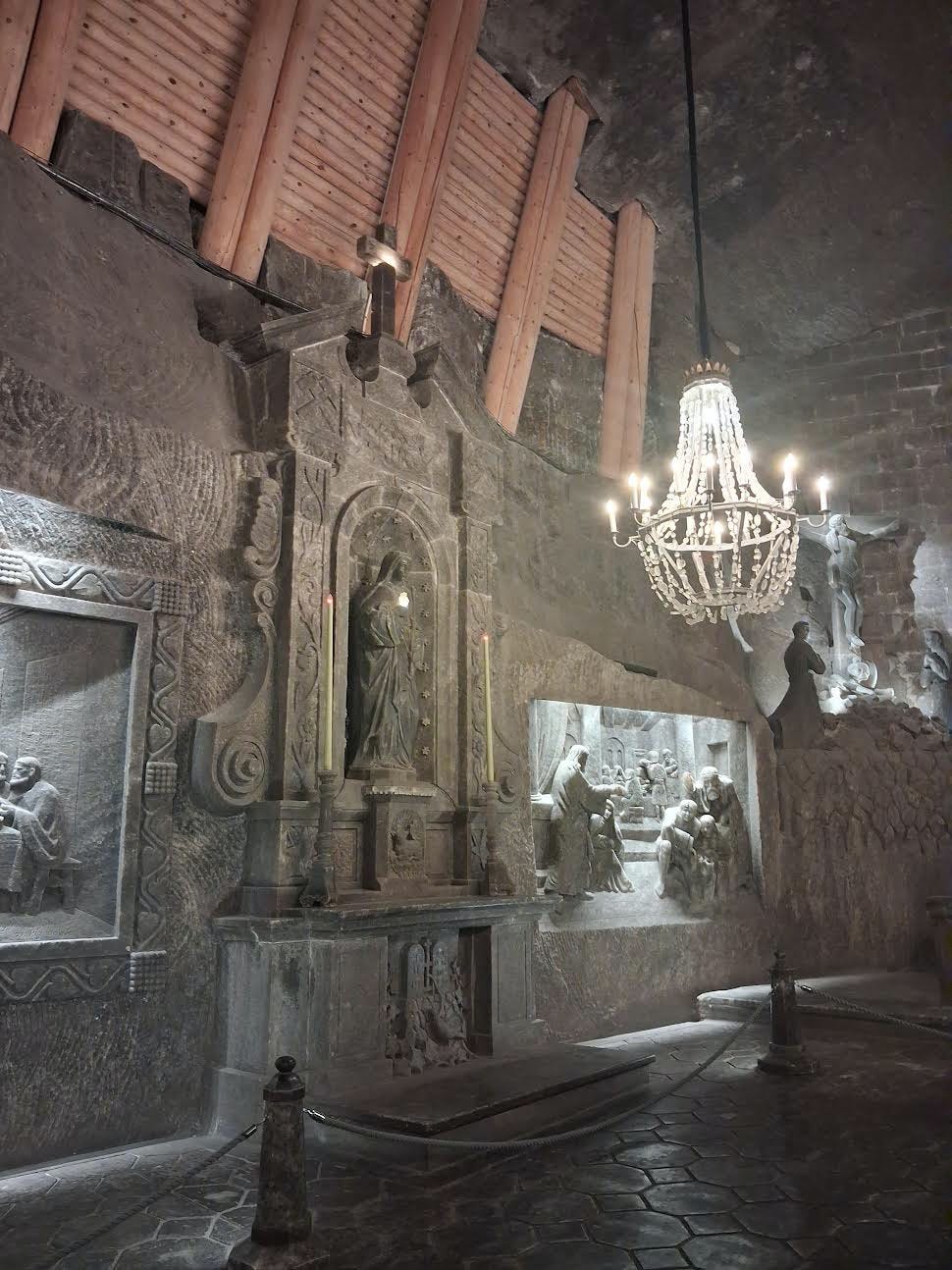
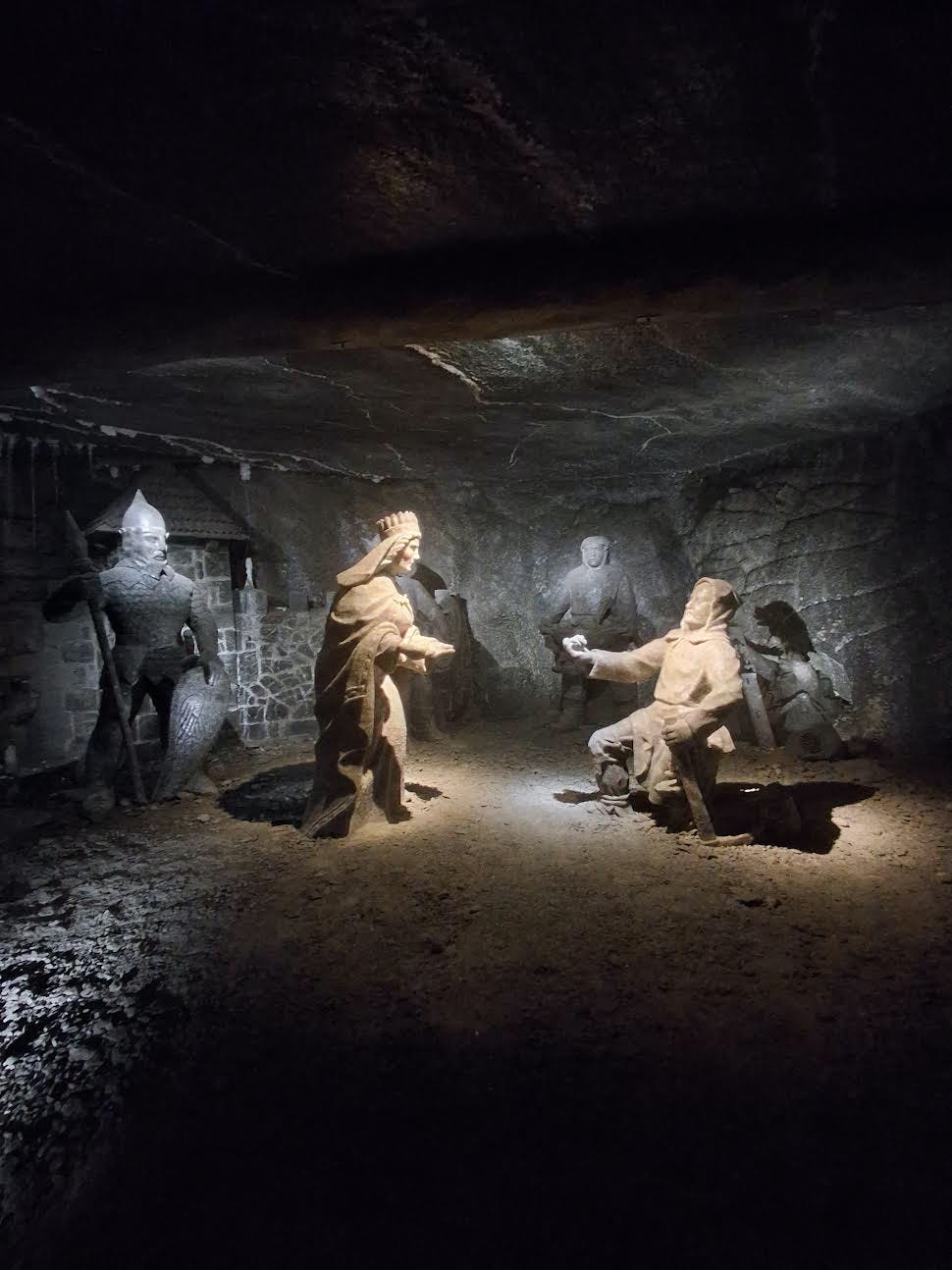
Each new chamber and passageway we explored revealed another breathtaking sight. I was fascinated by the intricate sculptures carved entirely from salt, while the chapels were equally beautiful and awe-inspiring.
I hope you enjoyed learning about the fascinating Wieliczka Salt Mine as much as I enjoyed visiting it. If you'd like to discover more remarkable places, hidden stories, and interesting facts from around the world, consider subscribing and stay tuned for future articles.